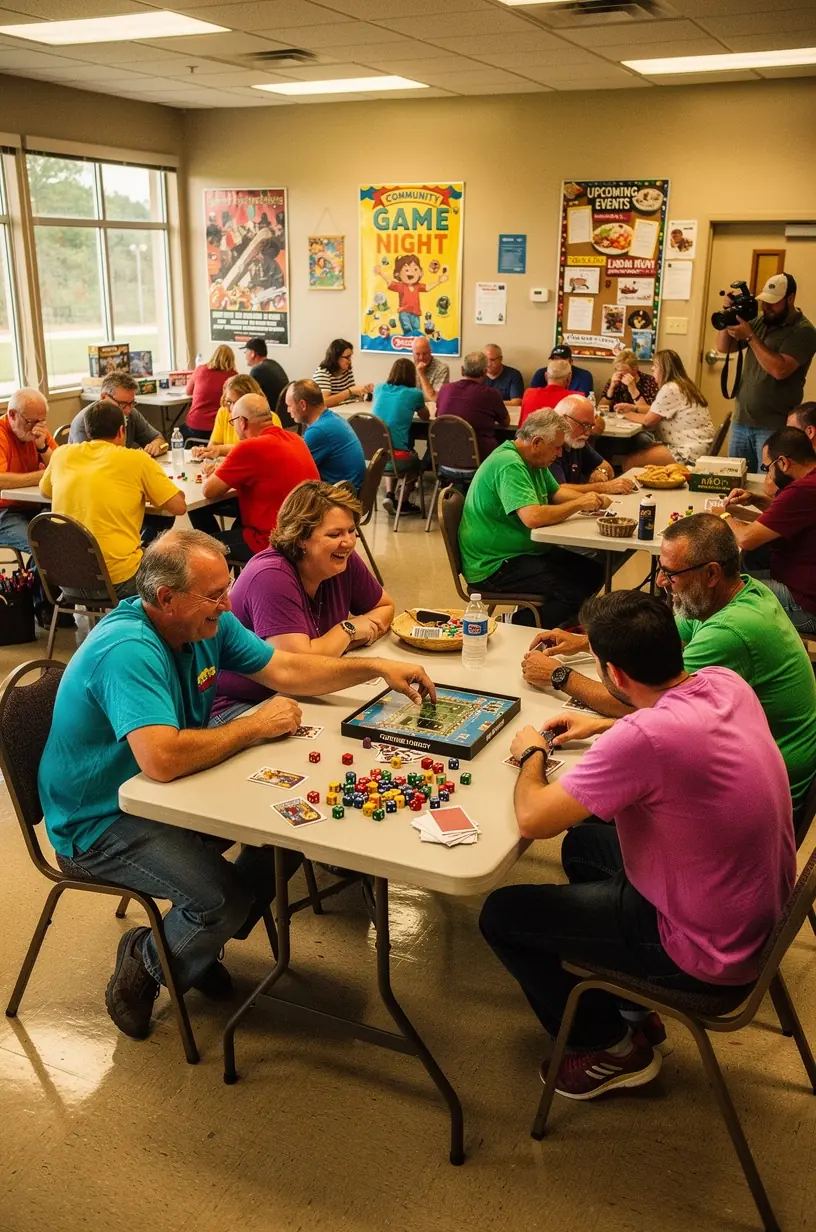
Exploring the Role of Music in Community Engagement
Music serves as a powerful tool for fostering community engagement, particularly among individuals aged 40-60. By examining its various roles, we can better understand how music can connect people and enhance social interactions.
Understanding the Basics
According to research conducted by the National Endowment for the Arts, music can significantly enhance community cohesion. This occurs as people gather in shared spaces, experiencing a sense of belonging and connection. Experts suggest that community music initiatives can lead to increased social bonds and a greater sense of identity among participants.
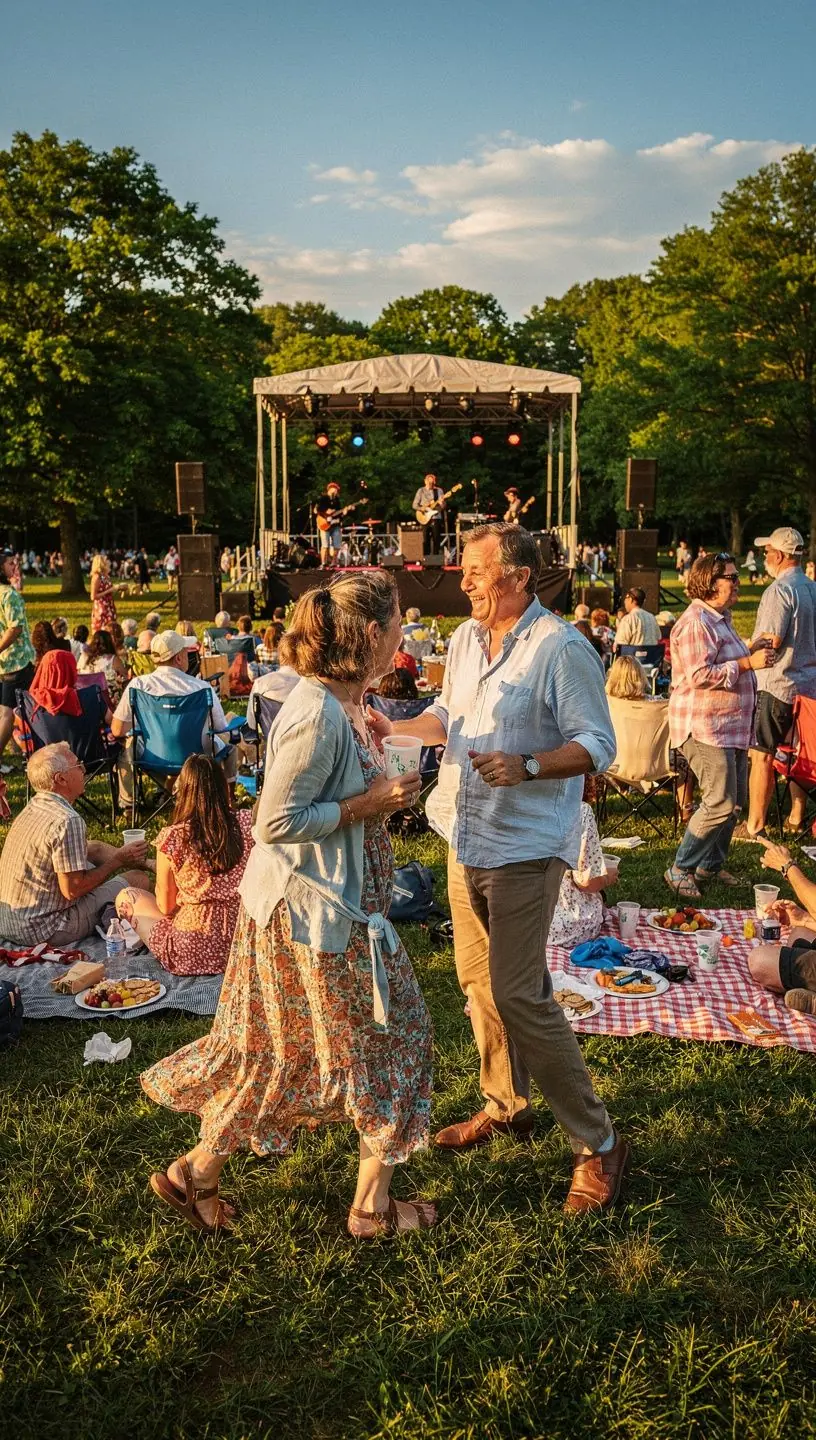
"Music has the unique ability to transcend cultural and generational barriers, making it an effective medium for community engagement." - Dr. Lisa Hartman, Music Sociologist
The Psychological Impact of Music
Studies show that engaging with music can improve mental well-being. For many, participating in music-related activities can reduce feelings of loneliness and depression, which are prevalent among those in the 40-60 age range. The principle behind this is that group music-making fosters social interaction and creates a supportive environment.
Practical Applications of Music in Community Engagement
- Community Concerts: Hosting local concerts can bring together diverse groups of people, encouraging social interaction. These events typically require planning and coordination, often taking 3-6 months to organize effectively.
- Music Workshops: Offering workshops can help individuals learn new skills while meeting others with similar interests. These sessions usually involve a commitment of several weeks, allowing participants to gradually build their skills.
- Collaborative Music Projects: Engaging community members in collaborative music projects, such as creating a local anthem, can enhance a sense of ownership and pride. This approach works best when there is a clear facilitator to guide the process and ensure inclusivity.
Challenges and Considerations
While music has many benefits for community engagement, it’s essential to acknowledge limitations. Organizing music events often requires volunteer effort, time, and financial resources. Additionally, participation may fluctuate, as some individuals might not be comfortable with group settings or have scheduling conflicts. Acknowledging these factors is crucial for planning successful initiatives.
Conclusion
In conclusion, music plays a vital role in enhancing community engagement, particularly for individuals aged 40-60. By leveraging music as a tool for connection and interaction, communities can foster stronger social bonds. While there are challenges to consider, the potential benefits make it a worthwhile endeavor for local organizations and community leaders.