
Navigating Recreational Activities for Midlife Adults
As we transition into midlife, finding the right recreational activities becomes essential for maintaining both physical and mental well-being. This article explores practical insights and strategies to help adults aged 40-60 navigate their options effectively.
Understanding the Importance of Recreation
Recreational activities play a crucial role in enhancing quality of life, especially for midlife adults. According to research from the National Institute on Aging, engaging in regular recreational activities can help reduce stress, improve mood, and promote healthier lifestyles. These benefits are often linked to improved social connections and increased physical activity.
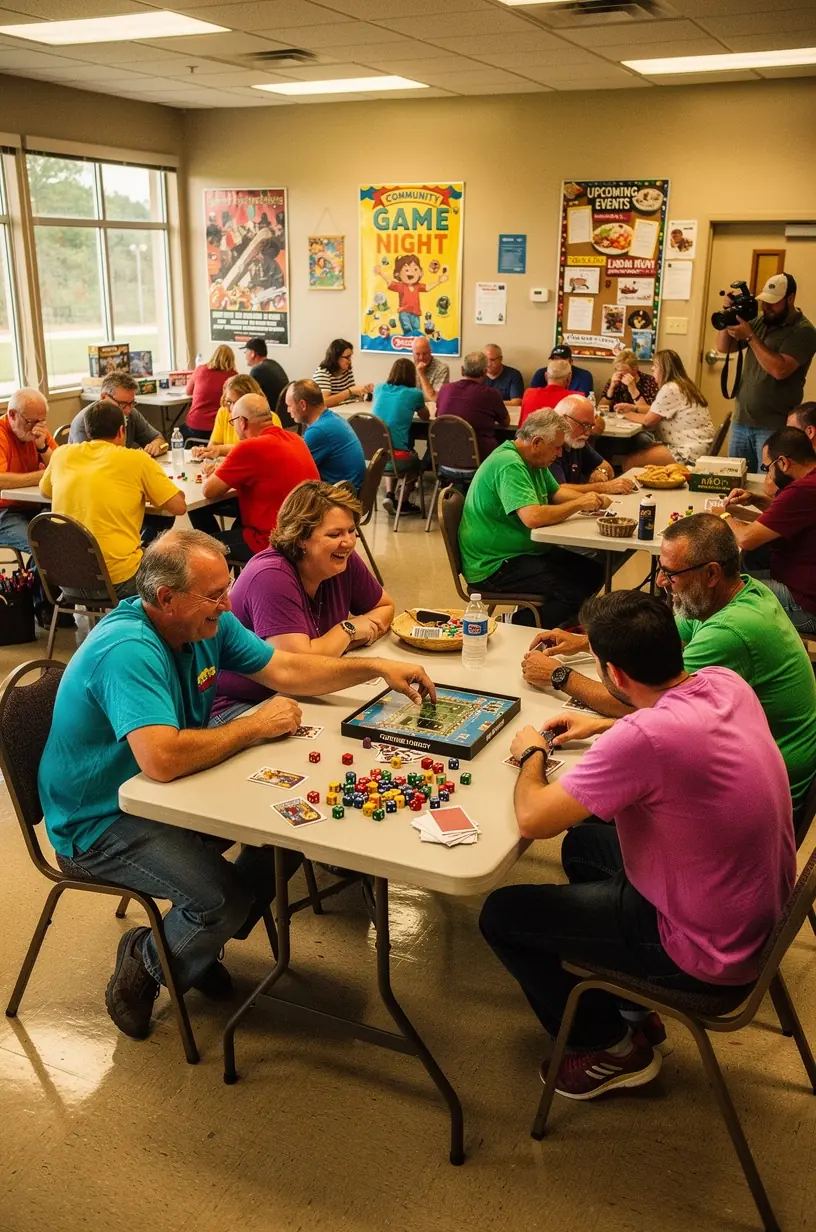
"Engaging in recreational activities can foster a sense of community and belonging, which is vital for emotional well-being." - Dr. Jane Smith, Clinical Psychologist
Identifying Suitable Activities
When choosing recreational activities, it's essential to consider personal interests, fitness levels, and social preferences. Many users report that activities fostering social interaction tend to be more rewarding. Here are some common options:
- Group Classes: Participating in classes like yoga, dance, or art can provide not only physical benefits but also opportunities to connect with others.
- Outdoor Adventures: Hiking, biking, or even gardening can enhance physical health and offer refreshing experiences in nature.
- Volunteering: Many midlife adults find fulfillment in giving back to their communities, which can also expand social networks.
How to Get Started
Starting new activities may require some planning and dedication. Here’s how you can effectively ease into recreational pursuits:
- Assess Your Interests: Reflect on what truly excites you. This could be anything from music to sports or even travel.
- Set Realistic Goals: Begin with achievable objectives, such as attending one class a week. This may involve an initial time commitment of 2-4 weeks before you feel comfortable.
- Find Local Resources: Explore community centers, local parks, or online platforms that offer classes and events tailored for your age group.
Challenges to Anticipate
While embarking on new recreational activities can be rewarding, it's important to acknowledge potential challenges:
- Some activities may have a learning curve, particularly if they are new to you. Patience and practice are key.
- Physical limitations may also arise. It's advisable to consult with a healthcare provider before starting any new regimen.
- Time constraints can be a hurdle, especially for those with busy schedules. Finding small windows of time can help make participation manageable.
Conclusion
Navigating recreational activities in your midlife can be a fulfilling journey. By recognizing personal interests, setting realistic goals, and allowing time for adjustment, you can enhance your overall well-being. As you explore new possibilities, remember that the right activities will contribute to both your physical health and social connectivity. Whether it's through group classes or volunteer work, taking that first step can lead to rich experiences that positively impact your life.
Learn More