Understanding the Evolution of Music Genres for Older Audiences
As music continues to evolve, older audiences often find themselves navigating a landscape that has changed dramatically since their youth. This article delves into the evolution of music genres and their relevance to individuals aged 40-60, highlighting how cultural shifts influence musical preferences.
The Changing Landscape of Music
The music industry has undergone significant transformations over the past several decades. According to research by the Music Industry Association, older adults tend to gravitate towards genres that reflect their life experiences and cultural backgrounds. Understanding these preferences can help event organizers tailor musical experiences that resonate with this demographic.

"Music is a reflection of societal changes, and older generations often connect with genres that tell their stories." – Musicologist Dr. Sarah Thompson
Key Music Genres and Their Resonance
Many older adults have a strong affinity for genres like classic rock, blues, and folk. These genres not only evoke nostalgia but also often explore themes of love, loss, and social change. Here are a few key genres that have evolved but continue to appeal:
- Classic Rock: Typically associated with bands from the 60s and 70s, classic rock remains popular due to its timeless anthems.
- Blues: Often expressing deep emotional narratives, blues music has roots that resonate with many older listeners.
- Folk: This genre's storytelling aspect often appeals to older audiences, as songs frequently reflect personal and societal experiences.
The Impact of Technology
In recent years, the way music is consumed has shifted dramatically. Streaming services and digital platforms have made accessing a variety of genres easier than ever. However, studies indicate that while older audiences are increasingly adopting technology, they often prefer personalized playlists that reflect their musical tastes rather than algorithm-generated recommendations.
Creating Engaging Musical Events
When organizing events for older audiences, consider the following strategies to enhance their experience:
- Incorporate Familiar Genres: Include music that resonates with their youth, such as classic hits or tribute bands, as these can evoke memories and connections.
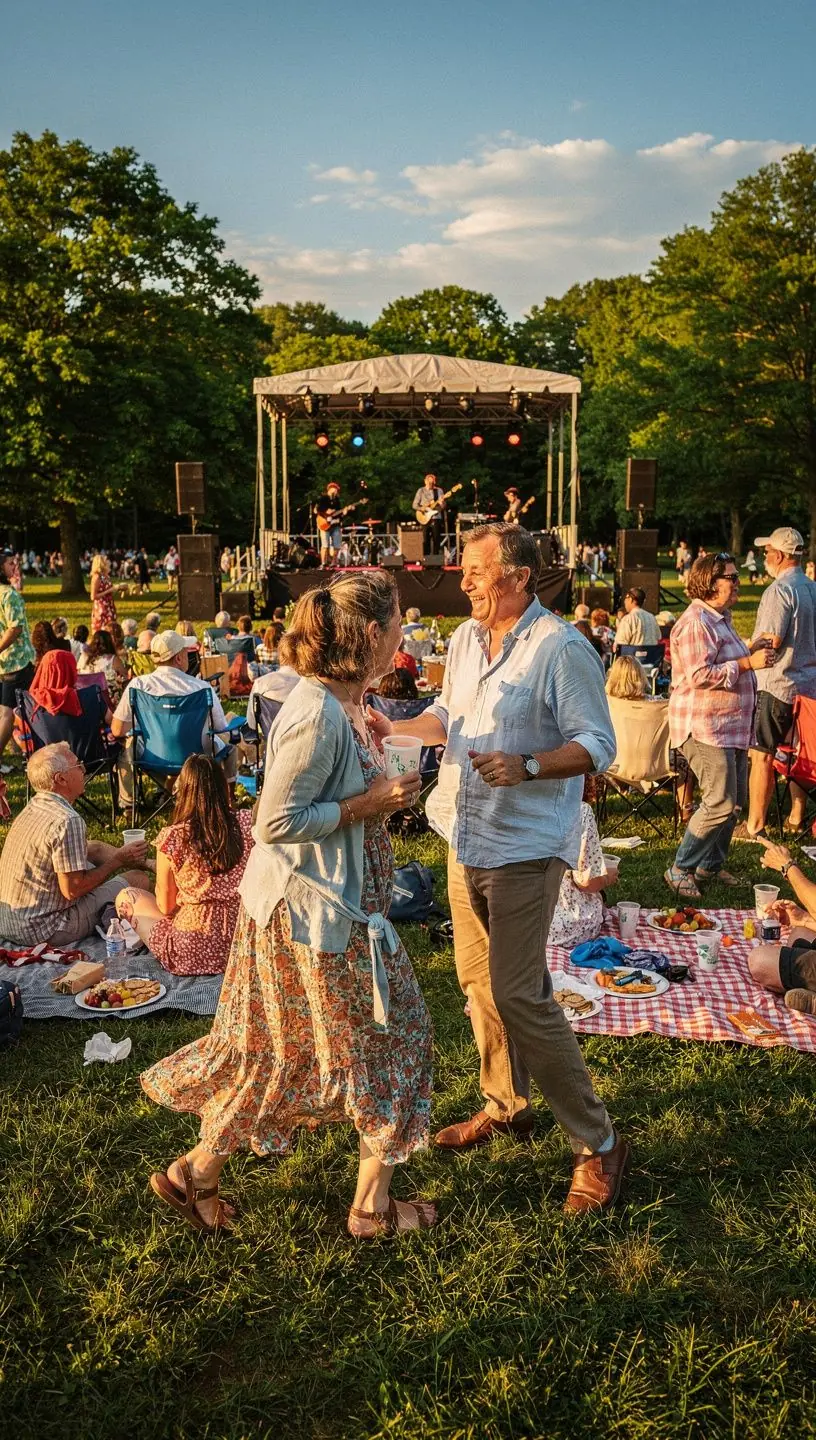
- Interactive Experiences: Engage audiences with sing-alongs or dance opportunities, which can foster community and cultural bonds.
- Educate on Music History: Workshops or discussions about the evolution of music can add educational value and deepen appreciation for various genres.
Conclusion
Understanding the evolution of music genres is essential for connecting with older audiences. By recognizing their preferences and the cultural contexts in which these genres developed, event organizers can create engaging experiences that resonate on both personal and social levels. As the music landscape continues to evolve, staying attuned to these shifts can ensure that older listeners remain not only participants but also cherished members of the musical community.