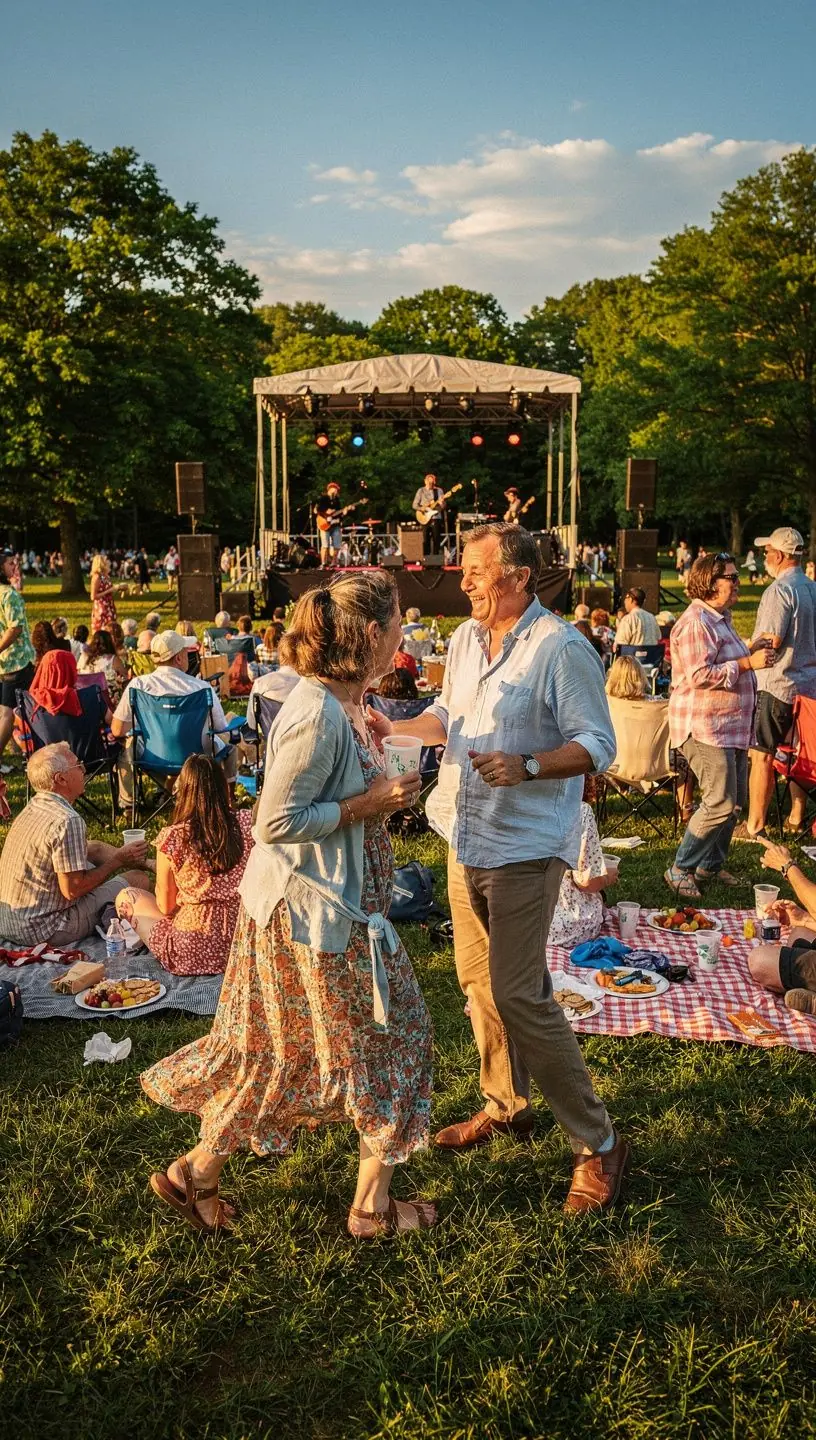
Practical Guide to Organizing a Neighborhood Block Party
Organizing a neighborhood block party can be a rewarding way to strengthen community ties and foster social connections. While planning an event like this may seem daunting at first, a structured approach can make the process enjoyable and effective. This guide provides practical tips and insights to help you plan a successful neighborhood gathering.
Understanding the Basics
According to community engagement studies, neighborhood block parties can significantly enhance social bonds among residents, making them feel more connected and invested in their community. Experts recommend that successful block parties typically involve careful planning, clear communication, and active participation from residents.

"A well-organized block party can transform a neighborhood, turning strangers into friends and creating a vibrant communal atmosphere." - Community Development Expert
Step-by-Step Planning Process
The process of organizing a block party typically takes about 2-4 weeks, depending on the size of your neighborhood and the complexity of the event. Here’s a structured approach to make your planning more manageable:
- Form a Planning Committee: Involve a small group of enthusiastic neighbors to share responsibilities. This helps distribute the workload and can lead to more creative ideas.
- Set a Date: Choose a date that works for most residents, typically on a Saturday or Sunday. Consider any local events or holidays that might affect attendance.
- Plan Activities: Think about what kind of activities you want to include. Popular options include potluck meals, games, live music, and neighborhood contests. Engaging activities often attract more participants and create a lively atmosphere.
Logistics and Permissions
Before finalizing your plans, it's essential to address logistics and permissions:
- Check Local Regulations: Some neighborhoods may require permits to close off streets for a block party. Research local guidelines to ensure compliance.
- Notify Residents: Create flyers or use social media to inform your neighbors about the party and ask for their input. This encourages participation and ensures everyone feels included.
- Prepare for Safety: Consider safety measures like first aid kits, designated areas for food, and clear pathways for emergency access. Experts suggest prioritizing safety to create a pleasant environment.
Budgeting for Success
Many block party planners find it useful to set a budget that outlines expected expenses. Costs can vary widely based on activities, food, and entertainment. Here's how you can manage your budget effectively:
- Funding Sources: Consider pooling resources by asking participants to contribute food or funds. Some neighborhoods successfully fund their events through small donations from attendees.
- Cost-Effective Solutions: Research local businesses that might be willing to sponsor the event or donate supplies. Many businesses support community initiatives and will appreciate the exposure.
Conclusion
Organizing a neighborhood block party can be an enjoyable experience that brings residents together, fosters community spirit, and enhances social interactions. By following a structured approach, addressing logistics, and encouraging participation, you can create a successful event that will leave lasting memories. Remember, the goal is to create a welcoming atmosphere—prioritize safety, engage your neighbors, and plan activities that reflect your community's unique character.
Learn More